


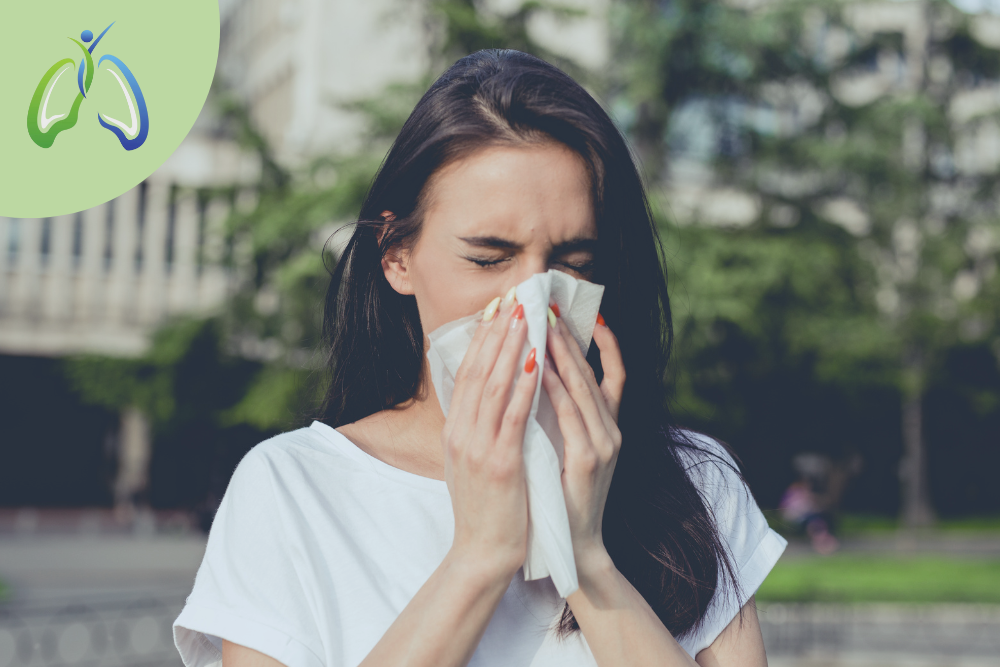
A blocked-up nose, watery eyes, sneezing and a sinus headache…. all symptoms of allergic rhinitis (also referred to as hay fever), which is particularly common in the summer months.
It’s easy to confuse hay fever symptoms with a cold but, while the latter is caused by a virus, allergic rhinitis is triggered by exposure to allergens… and, at this time of year, there are many different allergens that can affect you, if you’re susceptible.
Is it a cold or allergic rhinitis?
A summer cold will typically arise one to three days after you’ve been exposed to a cold virus, with symptoms lasting up to a week. In contrast, allergic rhinitis occurs immediately after you’ve come into contact with an allergen and the symptoms will continue as long as you’re exposed to it. There are other differences, too. While a common cold can result in low-grade fever and body aches, allergic rhinitis does not cause a fever. Both lead to a runny nose and watering eyes, but the cold virus sometimes causes thick, yellow discharge whereas with allergic rhinitis, the discharge tends to be thin and watery. Also, with allergic rhinitis, your nose and eyes might itch and the skin below your eyes can become swollen and your eyes red.
What causes allergic rhinitis?
When you develop allergic rhinitis, it’s because your immune system mistakenly identifies a harmless airborne substance as being harmful. In response, your body produces immunoglobulin antibodies, signalling to the immune system to release histamine into the bloodstream. The result is the symptoms described above.
There are many different allergens that can occur all year round, not just in the summer. Not everyone will react to every type of allergen as it depends on your individual susceptibility but common ones include: grass pollen (which occurs in spring and summer), tree pollen (winter and spring/early summer), weed pollen from plants like nettle, oilseed rape, mugwort, dock and ragweed (summer and autumn) dust mites (year-round), flecks of skin, fur or feathers from animals – known as pet dander (year-round), and spores from indoor and outdoor moulds and fungi (year-round but often worse in autumn and winter).
Dr Diwanji was extremely professional and very understanding of my concerns and questions. Explained everything clearly and answered all my questions. The diagnosis and management was explained in detail. Doctify verified patient
How to manage summer allergens
While allergens are present all year round, it can be particularly miserable if you are suffering from a blocked-up nose and runny eyes when the sun is shining and everyone else seems to be in a holiday vibe. Hay fever symptoms can make you feel tired and low.
It can be helpful to identify which types of allergens you are susceptible to so you can take steps to avoid them wherever possible. Keep an eye on the pollen count using Met Office data sources, make sure you have a good supply of over-the-counter anti-histamine medication to help you keep your symptoms at bay and ensure you stay well-hydrated.
Other tips for managing allergic rhinitis include:
- Keeping doors and windows closed at home, at work or while driving, particularly when the pollen count is high.
- Minimise your exposure to allergens by avoid walking in grassy fields, especially during the early morning, early evening or when it is being mown.
- Plan holidays and special events to avoid the pollen season if you can.
- Avoid drying washing outdoors when the pollen count is high.
- Wash your hair and change your clothes if you have been exposed to high levels of pollen.
- Consider using a mask or nasal barrier to protect your nose and mouth and sunglasses to protect your eyes when the pollen count is high.
- If you are allergic to pet dander, it is best not to keep pets. If you are in a household with pets, vacuum daily and wipe surfaces with a damp cloth.
- If you have a dust mite allergy, use synthetic pillows and acrylic duvets and wash all bedding and soft toys at high temperatures.
- Choose hard floor coverings rather than carpets and opt for blinds rather than curtains. Wipe all surfaces regularly with a damp cloth.
Naturally, some allergies occur more often in the winter and we can also advise on these.