


Bronchiectasis
What is Bronchiectasis?
Bronchiectasis is a long-term condition in which the airways of the lungs become inflamed and permanently widened. This can lead to a build-up of mucus, making infections more likely and breathing more difficult. Symptoms may develop gradually and can worsen over time without appropriate management.
Why Does Bronchiectasis Happen and How Does it Affect You?
When the lungs are damaged by infection or inflammation, the airways can become widened and thickened. This leads to a build-up of mucus, which increases the risk of repeated infections. Over time, this cycle of infection and inflammation can cause a gradual decline in lung function and lead to breathlessness.
How is Bronchiectasis Diagnosed?
Bronchiectasis can develop following lung injury or as part of other medical conditions, including:
- Severe lung infections such as whooping cough or tuberculosis
- Immune system disorders
- Inflammatory bowel disease (Crohn’s disease, ulcerative colitis)
- Rheumatological conditions (e.g. rheumatoid arthritis, Sjögren’s syndrome)
- Alpha-1 antitrypsin deficiency
- Chronic obstructive pulmonary disease (COPD)
- HIV or autoimmune diseases
- Allergic bronchopulmonary aspergillosis
In some cases, bronchiectasis may also affect other organs such as the pancreas or liver, leading to repeated infections and reduced organ function.
Symptoms of Bronchiectasis
Symptoms of typical bronchiectasis may take several months or even years to develop and manifest. Therefore, you should see your doctor for diagnosis and treatment if you:
- Frequent chest infections
- Chronic cough
- Coughing up thick yellow or green mucus
- Coughing up blood or blood-stained mucus
- Wheezing or whistling sounds when breathing
- Breathlessness
- Chest pain
- Fatigue and unintended weight loss
- Changes in fingernails or toenails (clubbing)
How is Bronchiectasis Diagnosed?
Your doctor will first listen to your lungs and check for airway blockage or any abnormal sounds while you breathe. Several tests may be ordered to diagnose the condition, including:
- Complete blood test for the possibility of infection and anaemia
- Sputum test for the presence of viruses or bacteria or fungi in your mucus
- Chest X-ray or CT scan to have a look at your lung structure. In some cases, further investigations such as endobronchial ultrasound (EBUS) may be used to assess abnormalities in more detail.
- Pulmonary test to find out how normally your lungs are functioning
- Purified protein derivative (PPD) skin test or QuantiFERON blood test to check for tuberculosis
- Sweat test to screen for Cystic Fibrosis (CF), a type of bronchiectasis
Bronchiectasis Treatment Options
While bronchiectasis cannot be cured, appropriate treatment can help control symptoms, reduce infections, and improve quality of life.
- Antibiotic treatment when needed
- Airway clearance and chest physiotherapy
- Mucus-thinning treatments
- Pulmonary rehabilitation
- Vaccinations
- Bronchodilators
- Breathing exercises
With early diagnosis and appropriate treatment, many people with bronchiectasis are able to lead active lives. Management often involves a combination of airway clearance techniques, medication, and regular follow-up with a respiratory specialist.
When Should You See a Respiratory Consultant?
If you have ongoing symptoms such as a persistent cough, regular chest infections, or difficulty clearing mucus, it is important to seek specialist advice. Early assessment by a respiratory consultant can help confirm the diagnosis, identify underlying causes, and guide appropriate treatment to prevent symptoms worsening over time.
Prevention of Bronchiectasis
In many cases, the exact cause of bronchiectasis is unknown. However, steps that may help reduce risk include:
- Avoiding smoking
- Reducing exposure to air pollution, fumes, and dust
- Staying up to date with recommended vaccinations
If you experience frequent chest infections, worsening breathlessness, or ongoing symptoms, specialist assessment can help confirm the diagnosis and guide long-term management.
Frequently Asked Questions About Bronchiectasis
Bronchiectasis can develop following infections, underlying lung conditions, or problems with the immune system. In some cases, no clear cause is identified.
Bronchiectasis can vary in severity. With appropriate treatment and monitoring, many people manage symptoms effectively and maintain a good quality of life.
Bronchiectasis is usually a long-term condition, but symptoms can be controlled with treatment, physiotherapy and lifestyle management.
Managing Ongoing Bronchiectasis Symptoms?
Bronchiectasis often requires long-term management to reduce infections and control symptoms. Specialist assessment can help tailor treatment plans and support ongoing care.
Appointments available at multiple London locations.
Read our Blogs

Chest Infections and How to Treat Them
A chest infection is an infection of the lungs or airways. Bronchitis and pneumonia are two of the main types of chest infection. Chest infections often follow colds or flu and are particularly common during autumn and winter. Many are mild and get better by themselves, but some chest infections can become serious and may…
Keep reading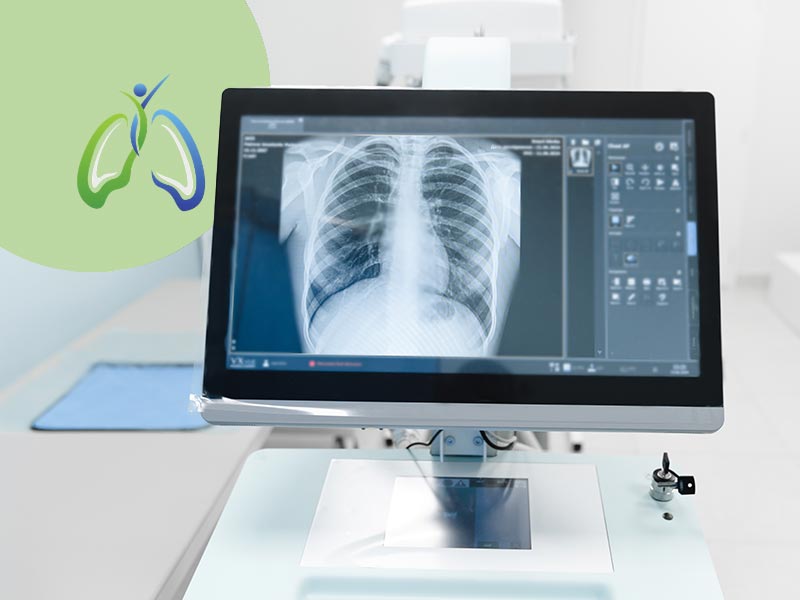
Persistent Cough for More Than 3 Weeks? Causes & When to Seek Help
A persistent cough (chronic cough) is one that lasts longer than three weeks. While many coughs are caused by infections and settle on their own, a cough that continues beyond this point may require further assessment. A persistent cough is sometimes described as a cough that won’t go away, particularly when symptoms keep returning or…
Keep reading