


Chronic Obstructive Pulmonary Disease (COPD)
What is COPD?
COPD is a progressive and chronic inflammatory disease of the lungs. The condition leads to obstructed airflow, making it harder to breathe.
Common Forms of COPD
There are two common forms of COPD.
- Chronic bronchitis: This form involves inflammation of the lining of the bronchial tubes that carry air to and from your lungs. The condition develops over time and is characterised by a long-lasting cough and mucus production.
- Emphysema: This is a condition where the air sacs (alveoli) in your lungs weaken over time and eventually break, resulting in the hindrance of outward airflow. You will suffer from shortness of breath, coughing, and exhaustion.
If you have COPD, you are likely to experience both these conditions.
Causes of COPD
The topmost contributor of COPD is tobacco smoking. The other factors include long-term exposure to:
- Tobacco smoking (primary cause)
- Long-term exposure to chemical irritants or fumes
- Irritating gases or particulate matter
- Fumes from burning fuel
- Air pollution
- Industrial dust
Who are at Risk of Developing COPD?
You are at risk of developing COPD if you:
- Long-term cigarette smoking
- Frequent exposure to secondhand smoke
- Pipe, cigar, or marijuana smoking
- Asthma with continued smoking
- Onset of symptoms after age 40
- Alpha-1 antitrypsin deficiency
Symptoms
COPD is a condition that takes a long time to develop. Sometimes, you may not able to notice the progressing COPD until the lungs are damaged significantly. Symptoms of COPD may vary from person to person and can be mild initially but will get progressively worse over time.
The common symptoms of COPD are:
- Breathing difficulty, especially during physical activity
- Frequent colds or respiratory infections
- Chronic cough with or without white or yellow mucus
- Excess mucus production and wheezing
- Chest tightness
- Bluish or grey lips or fingernails (cyanosis)
- Fatigue and lack of energy
- Confusion, muddling, or faintness
- Unintended weight loss (advanced stages)
- Swelling in the legs, ankles, or feet
Diagnosis
There is no single test to detect COPD. The diagnosis will begin with a physical examination, based on which, your doctor will order the following tests to get a complete picture of the condition.
- Spirometry / lung function testing
- Chest imaging (X-ray or CT scan)
- Arterial blood gas testing
These diagnostic tests will help your doctor to determine the degree of COPD.
Complications of COPD
COPD is known to disturb the airflow to and from the lungs. If untreated, the condition can lead to faster progression of the disease and eventually result in severe respiratory infections, depression, increased risk of heart diseases and lung cancer.
Treatments for COPD
COPD has no cure but is treatable and manageable. The treatment will ease symptoms, reduce the chance of complications, lower the risk of other associated conditions and improve the quality of your life.
Treatments for COPD include but are not limited to the following:
- Lifestyle changes
- Medications and vaccinations
- Supplemental oxygen therapy
- Surgery (for severe COPD)
- Lung transplantation (very rarely)
Prevention
Though COPD requires longterm management, the first and best way to prevent COPD is to avoid anything that might harm your lungs or cause a flare-up of already overtaxed lungs. For example, you can quit smoking, or use respiratory protection masks to guard against fumes, dust, etc. Following your doctor’s advice will go a long way in keeping your lungs healthy.
If you experience worsening breathlessness, frequent infections, or difficulty managing COPD symptoms, specialist assessment can help guide treatment and ongoing care.
Living With COPD Symptoms?
COPD often requires long-term management to help control symptoms, reduce flare-ups, and support lung health. Specialist assessment can help guide treatment and ongoing care.
Appointments available at multiple London locations.
Read Our Blog
COPD: Causes, Symptoms, Diagnosis and Treatment
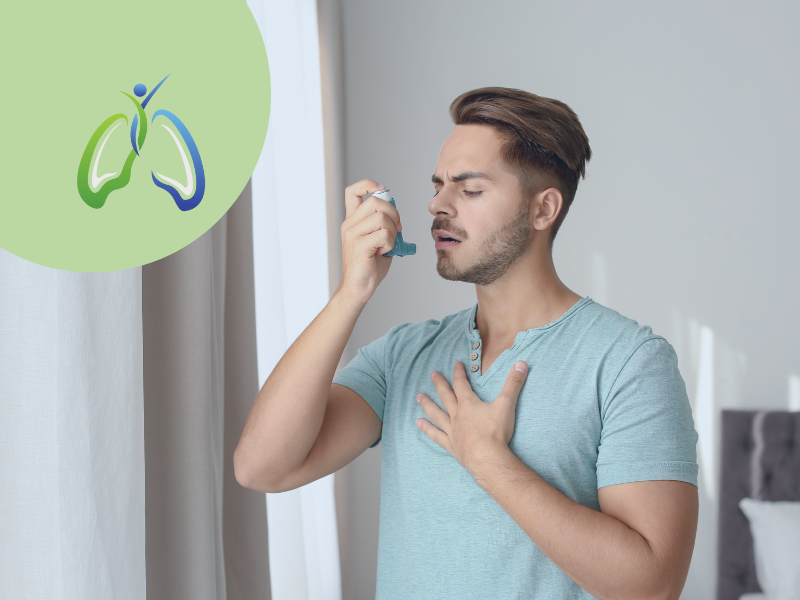
As we approach COPD Awareness Month (November 2025), we are taking an in-depth look at this debilitating lung condition which, despite having no cure, can be effectively managed to reduce the risk of complications. What is COPD? COPD stands for Chronic Obstructive Pulmonary Disease. The condition is a chronic (long-term, ongoing) disease that causes inflammation…
Keep reading
Breathlessness: Top 5 Common Causes
It’s normal to get out of breath when you exercise or exert yourself. But a sudden shortness of breath (dyspnea or acute breathlessness) or a feeling of breathlessness that develops gradually and doesn’t go away (chronic dyspnea) is normally the sign of an underlying medical condition. In some cases, breathlessness is a medical emergency. Dial…
Keep reading
Cold Weather and Your Lungs – All you need to know
How can cold air affect your lungs? Cold air can trigger coughing and make breathing feel more difficult, particularly for people with asthma or other respiratory conditions. Cold air is also usually dry, which can irritate sensitive airways and cause them to narrow. This can lead to symptoms including coughing, wheezing, chest tightness and shortness…
Keep reading