

As we approach COPD Awareness Month (November 2025), we are taking an in-depth look at this debilitating lung condition which, despite having no cure, can be effectively managed to reduce the risk of complications.
What is COPD?
COPD stands for Chronic Obstructive Pulmonary Disease. The condition is a chronic (long-term, ongoing) disease that causes inflammation in the lungs. This obstructs the airflow, making it harder to breathe. COPD is a progressive illness, so the symptoms tend to worsen over time although there are many effective treatments that can help to control symptoms and improve quality of life.
The two most common types of COPD are:
- Emphysema which causes the air sacs (alveoli) in your lungs to weaken and break, making it harder to breath out. Emphysema can cause shortness of breath, coughing and exhaustion.
- Chronic bronchitis which is inflammation of the lining of the bronchial tubes that bring air into and out of the lungs. Chronic bronchitis can cause a persistent cough and excessive mucus.
These two conditions tend to occur together in COPD and may vary in severity.
What causes COPD?
The primary cause of COPD is long-term exposure to cigarette smoke but it is also linked to breathing in dust, gases and particulates, fumes or chemicals, as well as air pollution.
How is COPD diagnosed?
Your doctor will carry out a physical examination and ask about your symptoms, their severity and how long you’ve had them. You may be sent for a range of diagnostic tests including a lung function test (spirometry), an X-ray or CT scan or a test to measure your levels of blood oxygen and carbon dioxide. These will help to confirm the diagnosis and extent of COPD.
What are the symptoms of COPD?
By the time symptoms develop, unfortunately the lungs will already have sustained significant damage. Common COPD symptoms to look out for include:
- Breathlessness particularly during physical activities
- A wheezing or whistling sound when you breathe
- A persistent cough that might bring up mucus that has a white, yellow or greenish tinge, or that may be clear
- A feeling of tightness or heaviness in the chest
- Repeated infections of the lung
- A grey or bluish tinge to the lips or fingernails (cyanosis)
- Low energy and fatigue
- Feeling confused, muddled or having problems concentrating
- Feeling faint
- Swollen ankles, feet or legs
- Unintended weight less (associated with advanced COPD)
There are times when the symptoms may worsen (referred to as exacerbations). These episodes, which can last from a few days to several weeks, may be triggered by colds or infections as well as by falling air temperatures, air pollution or strong smells. They can lead to worsening breathlessness and chest tightness, coughing or fever. If you know you are likely to be exposed to fumes or dust, it’s important to use a respiratory protection mask. In cold temperatures, wrap up warmly or avoid going out if you can.
What is the risk of complications from COPD?
If COPD is left untreated, over time it can lead to severe respiratory infections and an increased risk of heart disease and lung cancer. It is also associated with poor quality of life and a risk of depression. It is important to get a prompt diagnosis both to manage the day-to-day symptoms and to reduce the risk of these long-term complications.
How is COPD treated?
While it’s not possible to cure COPD, there are treatments to manage the symptoms, improve quality of life and lower the risk of complications. Your respiratory consultant will recommend the most appropriate treatment plan, based on your symptoms and lifestyle. Possible treatments might include:
- Lifestyle changes. For example, if you smoke, your doctor will recommend quitting to prevent your symptoms from getting worse. Support to stop smoking is available. You will also be advised to avoid breathing in someone else’s smoke wherever possible.
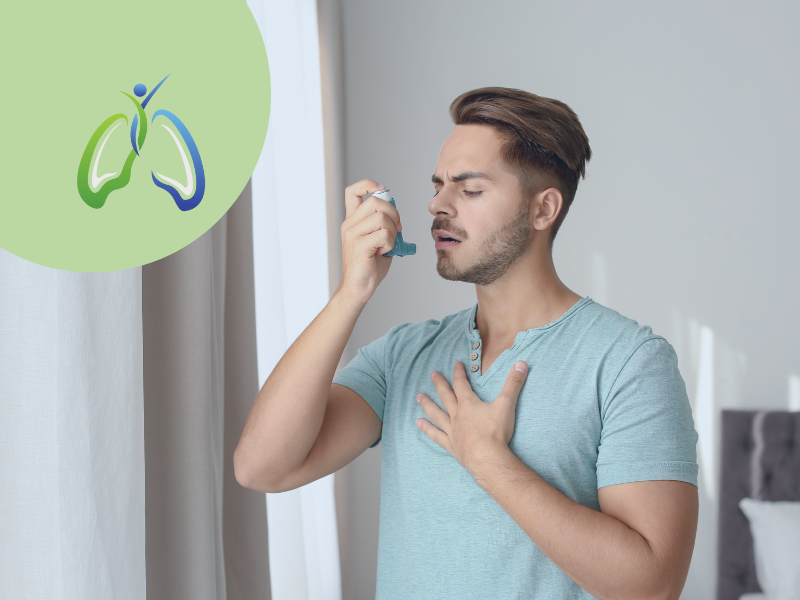
- Medications to manage your symptoms. You may be given an inhaler which delivers medicine directly to your lungs, or a nebuliser which changes liquid medicine into a fine mist that can be inhaled. Other possible medications include a short-term course of steroids.
- Vaccinations to help prevent flu or Covid
- Supplemental oxygen therapy if you don’t have sufficient oxygen in your blood.
- Pulmonary rehabilitation which might include health education, nutrition advice and breathing techniques.
- Surgery for severe COPD or (rarely) a lung transplant