

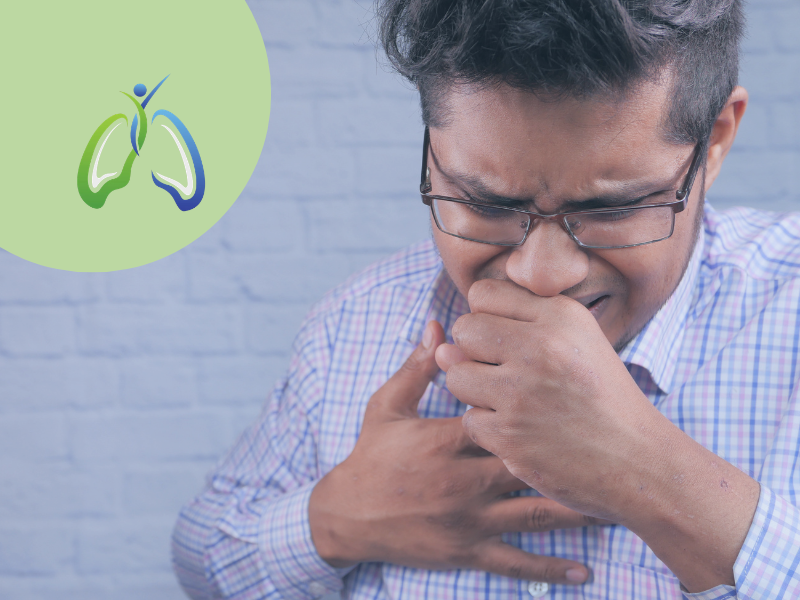
It is natural to feel out of breath when you have exerted yourself. It’s your body’s way of letting you know you need more oxygen or to rest. Normally, once you’re no longer doing something physical your breathing quickly returns to normal.
But feeling breathless (sometimes referred to as dyspnoea) when you are not doing something active, or experiencing an ongoing shortness of breath can be a sign of an underlying condition. According to the charity Asthma and Lung UK, which campaigns for better lung health, one in 10 people in the UK experience breathlessness and, on average, one in five people in A&E are there due to breathlessness [1].
Common causes of breathlessness
There can be many different reasons why you might experience breathlessness. Common causes of breathlessness include:
- Lung conditions such as asthma, COPD (chronic obstructive pulmonary disease) flare-up or pneumonia
- Chest infection
- Being overweight or obese
- Smoking
- Heart conditions such as heart failure or a heart attack
- An allergic reaction (anaphylaxis)
- Stress and anxiety
- Anaemia
- Pulmonary embolism
When to seek urgent medical attention
It is important to call 999 or go straight to A&E if you experience sudden breathlessness and any of the following symptoms: your chest feels tight and heavy; you are coughing up blood; you feel sick or are being sick; you have pain spreading to your jaw, neck, arms or back; you have pain or swelling in one of your legs. This is a medical emergency so don’t delay, whether it is you or someone else who is experiencing these symptoms.
How is breathlessness diagnosed and treated?
Your doctor will carry out a physical examination and ask about your symptoms including when they started and what they feel like. They will check your body mass index, medical history and whether or not your smoke. The MRC (Medical Research Council) breathlessness scale is used to assess the impact that breathless is having in your day-to-day life, grading the severity from 0 to 4, with 4 being “I am too breathless to leave the house or I am breathless when dressing and undressing”.
Following a physical examination, you may be sent for a range of tests to help your doctor come up with an accurate diagnosis. These might include a chest X-ray, CT scan, blood tests, pulmonary function test, echocardiogram or exercise stress test. In some situations, further investigation such as lung cancer screening using CT imaging may be recommended to rule out more serious causes.
Treatment will depend on the cause and severity of your symptoms. For example, your doctor may suggest lifestyle changes, such as giving up smoking or losing excess weight. You may be offered support to reduce stress and anxiety, such as meditation or exercise programmes. If your symptoms are due to a new condition you may be given medication, oxygen therapy or a bronchodilator to relax your airway. If breathlessness is due to asthma, you might need support to understand what triggers the allergic response (such as pollen or dust mites) so you can take steps to avoid these triggers wherever possible.
Frequently Asked Questions About Breathlessness
Feeling like you can’t get enough breath can be very scary. Your chest may feel tight, breathing might feel like hard work and you might feel like you’re suffocating. The natural response is to take deep breaths. The fact that you can’t may increase your anxiety, causing you to breathe faster and tense your breathing muscles. In some instances, this can lead to a panic attack. Other symptoms linked to shortness of breath include wheezing, a bluish tinge on the lips or fingertips, abnormal heart rate or profuse sweating.
Chronic means long-term or ongoing. We use the term ‘chronic breathlessness’ to describe breathlessness that has developed gradually and gone on for several weeks, months or even years. By contrast, ‘acute breathlessness’ describes an experience of becoming suddenly and unexpectedly short of breath. We recommend getting acute breathlessness assessed straight away as it can be a sign of a new medical condition.
You can find general information about breathlessness online at Asthma and Lung UK, the British Heart Foundation and the NHS. For specialist advice or to book an appointment, Dr Shalin Diwanji is a leading consultant in respiratory medicine, practising from a range of locations including The Harley Street Clinic. You can learn more about assessment and treatment for breathlessness here.
[1] https://www.asthmaandlung.org.uk/symptoms-tests-treatments/symptoms/breathlessness/what-breathlessness